
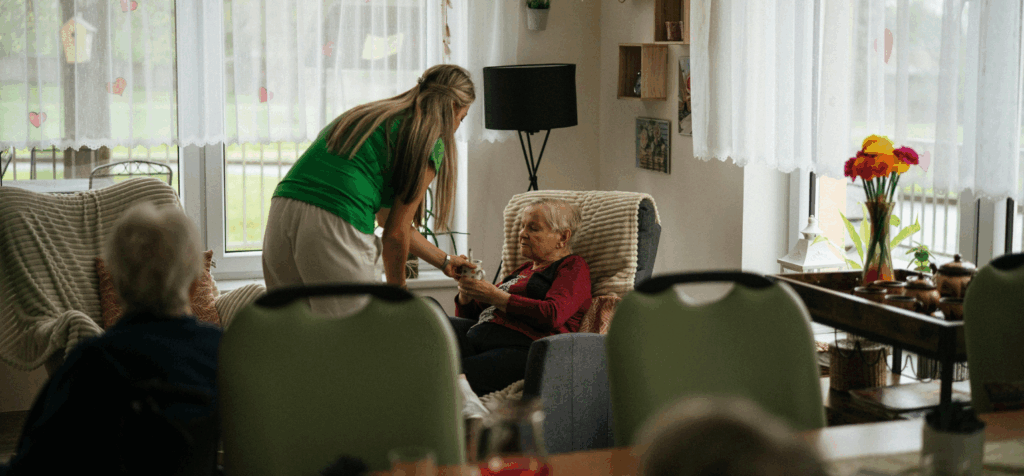
When you entrust the care of a loved one to a nursing home, you expect they will be treated with dignity, compassion, and respect. Unfortunately, nursing home abuse is a serious and growing concern in the United States, leaving families feeling betrayed and unsure of how to respond. Recognizing the warning signs early can make all the difference in protecting your loved one’s safety and well-being.
What Is Nursing Home Abuse?
Nursing home abuse refers to any intentional act—or failure to act—that causes harm, risk of harm, or distress to a resident. This abuse can take many forms, including physical harm, emotional neglect, financial exploitation, and even sexual abuse.
California law provides strong protections for nursing home residents, but identifying abuse is not always straightforward. Many victims are unable or afraid to speak up due to fear of retaliation, cognitive decline, or medical conditions.
Common Types of Nursing Home Abuse
1. Physical Abuse
Includes hitting, pushing, unnecessary restraints, or rough handling.
Example: Unexplained bruises, cuts, or repeated hospital visits.
2. Emotional or Psychological Abuse
Verbal threats, humiliation, intimidation, or isolation from other residents.
Example: Sudden withdrawal from social activities or fearfulness around certain staff members.
3. Neglect
Failure to provide adequate food, water, medical care, or hygiene assistance.
Example: Bedsores, dehydration, malnutrition, or poor personal hygiene.
4. Financial Exploitation
Unauthorized use of a resident’s funds or property.
Example: Unusual bank withdrawals, missing personal belongings, or changes to wills.
5. Sexual Abuse
Any non-consensual sexual contact or behavior toward a resident.
Example: Bruising in sensitive areas, sudden changes in mood, or refusal to be alone with certain staff.
Warning Signs Families Should Watch For
- Unexplained injuries or frequent trips to the emergency room
- Significant weight loss or changes in appearance
- Emotional withdrawal or sudden mood swings
- Poor living conditions, such as dirty rooms or soiled bedding
- Staff reluctance to leave you alone with your loved one
- Missing personal items or unexplained financial transactions
Steps to Take if You Suspect Nursing Home Abuse
If you believe your loved one is a victim of abuse, act quickly to ensure their safety and preserve evidence:
- Ensure Immediate Safety – If your loved one is in immediate danger, remove them from the facility and seek medical attention.
- Document Everything – Take photographs of injuries, unsafe conditions, and any relevant documents.
- Report the Abuse – Contact the local Long-Term Care Ombudsman Program or the California Department of Public Health.
- Consult a Nursing Home Abuse Attorney – An experienced attorney can investigate the case, protect your loved one’s rights, and pursue compensation for damages.
Compensation in Nursing Home Abuse Cases
Victims and their families may be entitled to compensation for:
- Medical expenses and rehabilitation
- Pain and suffering
- Emotional distress
- Relocation costs
- Punitive damages (in cases of extreme misconduct)
External Resources for Families
For additional information and support, consider these trusted organizations:
- National Center on Elder Abuse (NCEA)
- California Department of Public Health – Licensing and Certification
- California Long-Term Care Ombudsman Program
Safeguarding Your Loved Ones
Nursing home abuse is a devastating violation of trust. By staying vigilant, recognizing the signs, and taking swift action, families can help ensure their loved ones receive the care and respect they deserve. If you suspect abuse, do not wait—legal help can make a critical difference in stopping mistreatment and holding negligent facilities accountable.